A garage door behaves like a silent workhorse until it stops. When an opener stutters, reverses, or fails to respond, it interrupts routines, risks security, and quickly becomes urgent. I’ve worked in residential door service long enough to hear the same pattern: a homeowner pushes the remote one morning and the door barely moves, or the opener chews and grinds but refuses to close all the way. That moment is where practical troubleshooting matters. This article walks through realistic diagnostics and repairs you can attempt safely, explains when to stop and call a pro, and describes trade-offs between repair, replacement, and full installation choices in Mint Hill NC.
Why Mint Hill specifics matter Mint Hill sits on the edge of the Charlotte metro area. We get hot, humid summers and occasional cold snaps. Humidity, pollen, and seasonal temperature swings affect metal parts, plastic components, and electrical contacts. Nearby trees drop sap and debris into tracks. Power quality can swing during storms, and many homes still rely on one garage door opener unit that’s been running for a decade or more. Those local factors change what usually fails and how fast it deteriorates. A routine inspection you do in May might reveal different wear than one done in December.
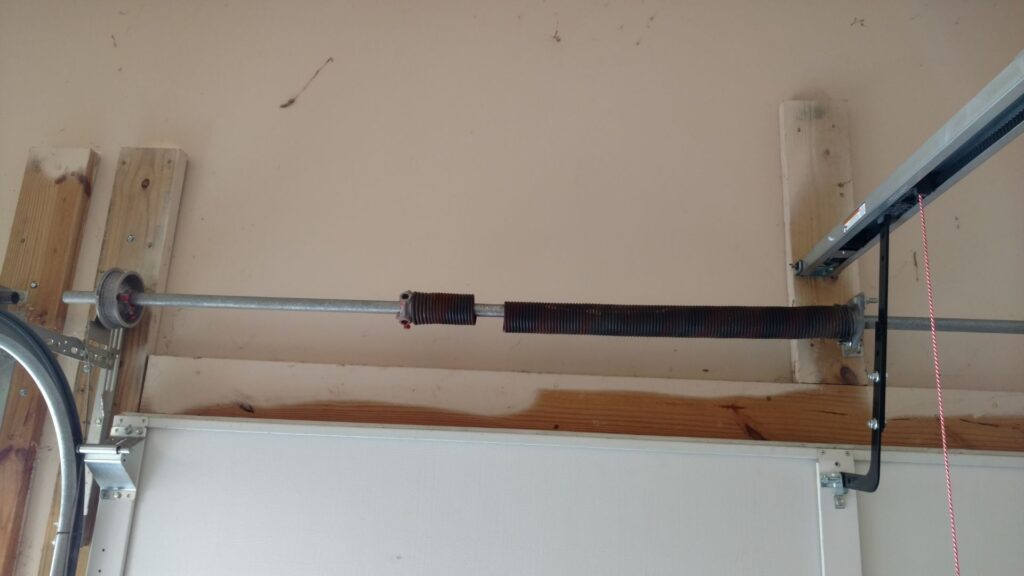
First things first: safety and basic checks Before you touch anything, disconnect the opener from the door by pulling the emergency release cord, and try to move the door manually. A properly balanced door should move smoothly with modest force and stay put at any point along its travel. If the door feels heavy or drops when you let go, the spring system is likely compromised. Garage door springs store energy; working on them without training is dangerous. Stop immediately and call a qualified technician.
If the door moves smoothly by hand, you can pursue opener troubleshooting safely. Many issues boil down to simple causes: dead batteries in the remote, misaligned sensors, loose wiring, or a worn drive mechanism. Below is a short checklist you can run through in under 20 minutes to eliminate the common, low-risk culprits.
Quick troubleshooting checklist
- Replace remote and keypad batteries, test wall switch to rule out transmitter issues. Inspect opener lights and listen for motor noise; note whether the motor runs but the door does not move. Check safety sensors at the bottom of the door tracks for alignment, dirt, or loose wiring. Verify force and travel limit settings on the opener; make small adjustments per the manual if the door reverses or stops short. Look for obvious physical issues: loose track bolts, broken cables, worn rollers, or obstructions in the track.
How to interpret what you find If the garage door opens with the wall switch but not the remote, the problem is almost always the remote or the opener’s receiver. Start with fresh batteries and reprogram the remote to the opener following the manufacturer’s steps. If reprogramming fails, the receiver on the opener may be faulty. That can sometimes be replaced, but for older openers replacement is often more cost-effective.
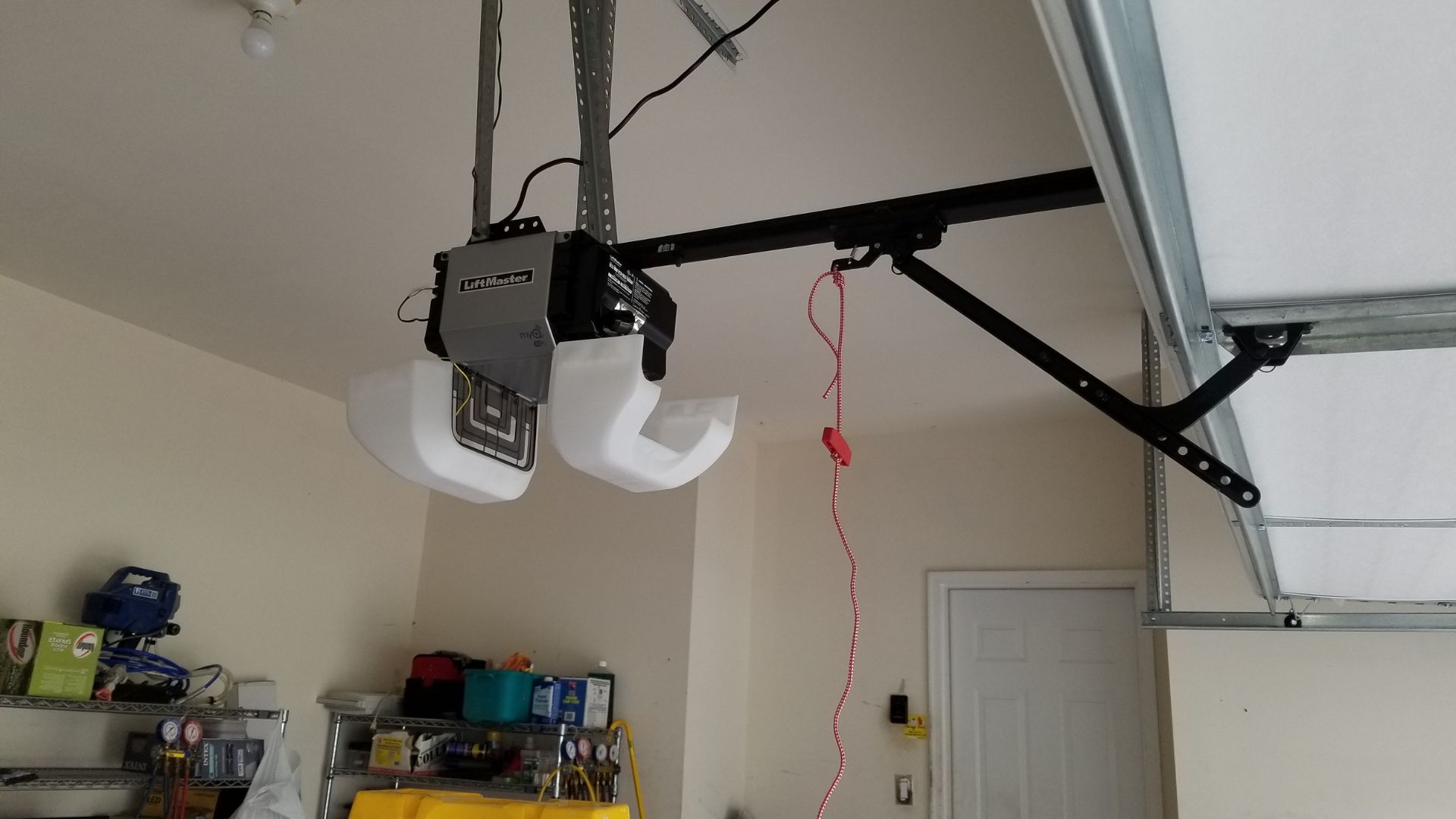
If the opener motor hums or runs but the door doesn’t move, the clutch or drive gear may be worn. Belt drives, chain drives, and direct-drive systems all have parts that eventually wear out. For chain drives you might hear slapping or skipping; belt drives can tear or lose teeth; screw drives develop wear along the screw. Testing the emergency release is critical. If the motor runs and the trolley does not pull the door, the connection between the opener and trolley is compromised.
If the door opens partly then reverses, the limit switch or travel sensors are likely misadjusted, or the door is encountering resistance. Dirty rollers, bent tracks, or a failing spring can cause the opener to interpret resistance as an obstacle. Adjust travel limits only in small increments and watch how the door behaves. Always consult the manual for safe settings. If the door still reverses after limits and the sensors are clean and aligned, springs or torsion hardware could be sagging, increasing friction. That is a job for a technician.
Safety sensors: simple but critical Many homeowners overlook the pair of eyes at the bottom of the tracks. Safety sensors are designed to stop the door if anything crosses the threshold while it’s closing. They are inexpensive and easy to misalign. A quick wipe of the lenses with a soft cloth often restores operation. If the sensors blink, check wiring for damage. Loose, chewed, or corroded wires will interrupt the signal.
If sensors are aligned and clean but the door still struggles to close, check for reflective surfaces or bright sunlight hitting the sensors at dawn or dusk. In Mint Hill, low sun angles in winter can sometimes interfere. Shifting the sensor brackets slightly or adding a small shield to block direct light solves the issue. If wiring runs through the garage into the house, voltage drops or poor connections can mimic sensor failure and cause intermittent behavior.
When noise points to mechanical wear A grinding, scraping, or rattling opener is not just an annoyance, it’s diagnostic. Chain drives naturally produce more noise than belt or direct-drive units. A loud grinding under load usually means a worn gear set inside the opener head. You may hear metal-on-metal when the trolley engages. If you have a belt drive and hear a squeal, the belt may be slipping, or pulleys could be misaligned. For screw drives, listen for irregularities along the travel that match the pitch of the screw thread.
Rollers and tracks also contribute to noise. Nylon rollers last years and run quietly, but older steel rollers wear the track and create vibration. Look for flaking paint or metal shards in the track or on the floor. Replacing rollers and lubricating the pivot points is standard maintenance, but bent tracks require careful straightening. Small bends can be nudged back into place by an experienced tech, but severe damage often warrants replacement.
Electrical oddities and power issues Openers have electronic logic boards and capacitors that degrade with time and thermal cycling. If the opener behaves erratically, resets intermittently, or the lights blink, that could point to a failing capacitor or an aging control board. Some problems are intermittent and only appear in certain temperatures. For instance, a unit that fails on cold mornings but works later could have a weak capacitor or brittle belt.
Power surges during storms can damage electronics. Installing a whole-garage surge protector protects the opener and other garage circuits. If your home experiences frequent small brownouts, consider testing the voltage at the opener with a multimeter. PS: always disconnect power before touching wiring. If you are seeing scorch marks on plugs or outlets, call an electrician.
Deciding between repair, replacement, and installation If the opener is less than 10 years old and suffers a specific failure, repair is often economical. Replacing a drive gear or circuit board can run a few hundred dollars in parts and service, compared with well over $400 for a new entry-level opener. But there are trade-offs. Repaired old units may fail elsewhere shortly afterward. Modern openers offer quieter operation, smartphone integration, battery backup, and improved safety features. If you rely on the garage for vehicle access every day, the downtime and reliability benefit of a new unit may justify the higher upfront cost.
When you count labor and the potential for multiple failing components in an older opener, replacement becomes compelling. Installation of a new opener paired with new hardware such as quieter rollers and a reinforced track might cost in the range of $600 to $1,200 depending on features and door size. In Mint Hill, installing a unit with battery backup is wise if you want operation during occasional power outages.
Garage door replacement decisions hinge on the door hardware and balance. If the door is warped, panels are damaged, or insulation is poor, replacing the door can improve curb appeal and energy efficiency. A new insulated door also reduces opener load, extending the life of the drive system. Rise Up Garage Doors and other local providers can give on-site assessments; expect a thorough look at the door balance, spring life, and track condition during a quote.
When to call a professional Some repairs are straightforward and safe for a homeowner. Replacing a remote battery, cleaning sensors, or tightening a loose track bolt can be done quickly. Other tasks present real hazards. If you see frayed cables, loose springs, or if the door sags and will not stay open, stop and schedule a professional service. Torsion springs store a lot of energy, and a slip can cause severe injury. Also, complex opener electronics, belt replacements, and major track realignment are better done by trained technicians who carry the correct tools and replacement parts.
Signs you should call a technician
- Visible frayed cables, broken spring coils, or a door that drops when manually lifted. Loud grinding from the opener that persists after lubrication, indicating internal gear failure. Bent or kinked track that prevents smooth movement, or a door that jams instead of rolling. Repeated reversals after limit adjustments, which can indicate spring fatigue or structural resistance. Electrical burning smell, smoke, or scorch marks around the opener or outlet.
Service expectations and costs When Rise Up Garage Doors or another local company arrives, expect a systematic inspection. A thorough service includes testing the opener with the motor engaged and disengaged, measuring door balance, checking door travel and force limits, inspecting springs and cables, and testing sensors. Technicians should give a clear verbal explanation and a written estimate. For simple repairs like sensor alignment or roller replacement, many local calls fall into the $100 to $300 range, parts and labor included. Major repairs or replacements will increase that figure, and permits are rarely required for typical residential opener replacement.
If you choose a new installation, ask about warranty coverage for both parts and labor. Many quality opener manufacturers offer five to ten year warranties on motors and limited lifetime on belt or screw components. Installation warranties are equally important. A poorly installed opener can lead to accelerated wear and unsafe operation.
Preventive maintenance that pays off I tell clients that a small annual investment prevents large emergency bills. A quick maintenance routine in spring and fall—clean and lubricate rollers and hinges, test the balance, check cables and pulleys, tighten mounting hardware—keeps the system in tune. Use only manufacturer-approved lubricants on bearings and hinges, and avoid lubricating nylon rollers as it can attract dirt. Replace weatherstripping that leaks water into the bottom track during heavy rain.
Consider upgrading to features that reduce future problems. A belt drive has fewer moving parts and often lasts longer than a chain drive in daily use. Battery backup keeps the door usable during brief power interruptions, and smartphone integration lets you see open/close history and alerts when the door is left open. Those conveniences also help security. In neighborhoods like Mint Hill, where homeowners value both convenience and curb appeal, the right combination of door and opener adds measurable value.
Real examples and trade-offs I once worked on a house where the homeowner insisted the opener was at fault because the door reversed every night at 10:00 p.m. After checking sensors and remotes, it turned out a programmable landscape light across the driveway activated on a dusk schedule and reflected into the sensor beam. A small shield solved the issue in 15 minutes. That’s an example of spending only what https://s3.us-east-1.amazonaws.com/garage-door-repair-mint-hill-nc/garage-door-supplier/small-repairs-that-prevent-major-garage-door-replacement-in-mint-hill-nc.html was necessary.
Contrast that with a 12-year-old opener that required a new circuit board, gear set, and belt within six months of an initial repair. The total cost of those parts approached the price of a new, quieter unit with better warranty. In that case replacement was the smarter, more persuasive choice.
Choosing a local service partner When you call a company in Mint Hill, look for technicians who carry common replacement parts and provide transparent pricing. Ask if they perform an on-site test and provide a written checklist of what they inspected. Reputable local businesses should be willing to explain the root cause and offer repair versus replacement options. If you decide on a full garage door replacement or a new opener installation, ask for references and photos of previous work.
Rise Up Garage Doors, for example, markets services in the area for Garage Door Repair Mint Hill NC, Garage Door Installation Mint Hill NC, Garage Door Replacement in Mint Hill NC, and Garage Door Opener Repair in Mint Hill NC. When comparing bids, make sure the quoted model, horsepower rating, and warranty terms are clear. Matching the horsepower and features to your door weight avoids underpowered installations that stress the motor.
Final advice for homeowners Treat your garage door like any crucial mechanical system. Regular observation and small preventative steps reduce inconvenience and risk. Keep the remote batteries fresh, clean the sensors, and visually inspect cables and springs once a season. If you detect anything unusual, document it with photos and call a qualified technician. When a professional arrives, expect them to test the door both manually and electrically, explain their findings, and offer options that balance cost, safety, and long-term reliability.
Troubleshooting can save time and money when done carefully, but recognize the boundary between safe DIY and hazardous repair. Springs, cables, and high-voltage electronics are not DIY projects. If you want a local, dependable partner for diagnostics, repair, installation, or replacement, reach out to a licensed service that understands Mint Hill conditions and stands behind their work. A reliable opener and well-maintained door restore daily rhythm quickly, and that peace of mind is worth the attention.
Rise Up Garage Doors
Mint Hill, NC, United States
+1 (980) 240-2447
[email protected]
https://riseupgaragedoors.com/